Second-hand dealers and pawnshops

Buy in with confidence, and the register to prove it

Stolen goods are sold where nobody asks. The law says what a dealer must ask — who is selling, how that was checked, what the thing is and its serial — and that a dealer who suspects it is stolen reports it and does not go on.

At sign-up, choose Shop or retail — everything below is on from there.

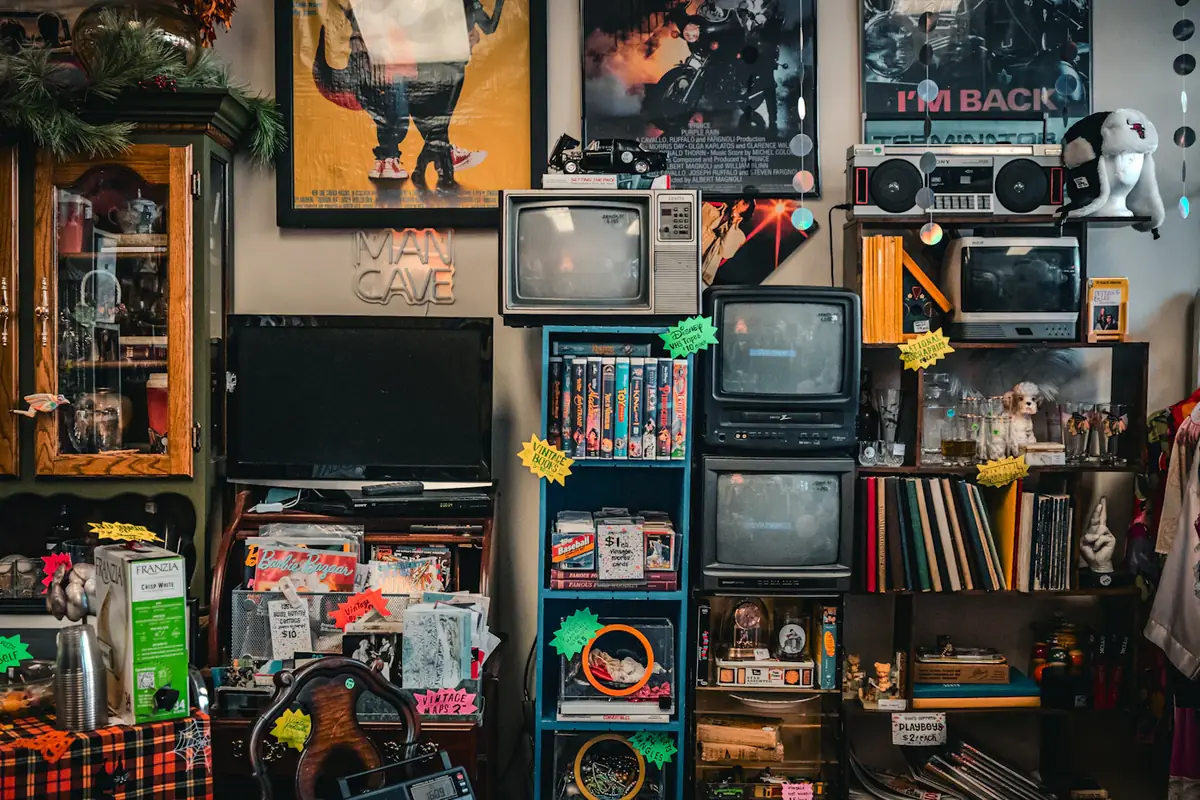
A second-hand shop wall of old televisions, radios and records
What it watches for
  • Buying something that turns out to be stolen.
  • The police ask for the register and it is a stack of books.
  • Something is sold before its holding period is over.
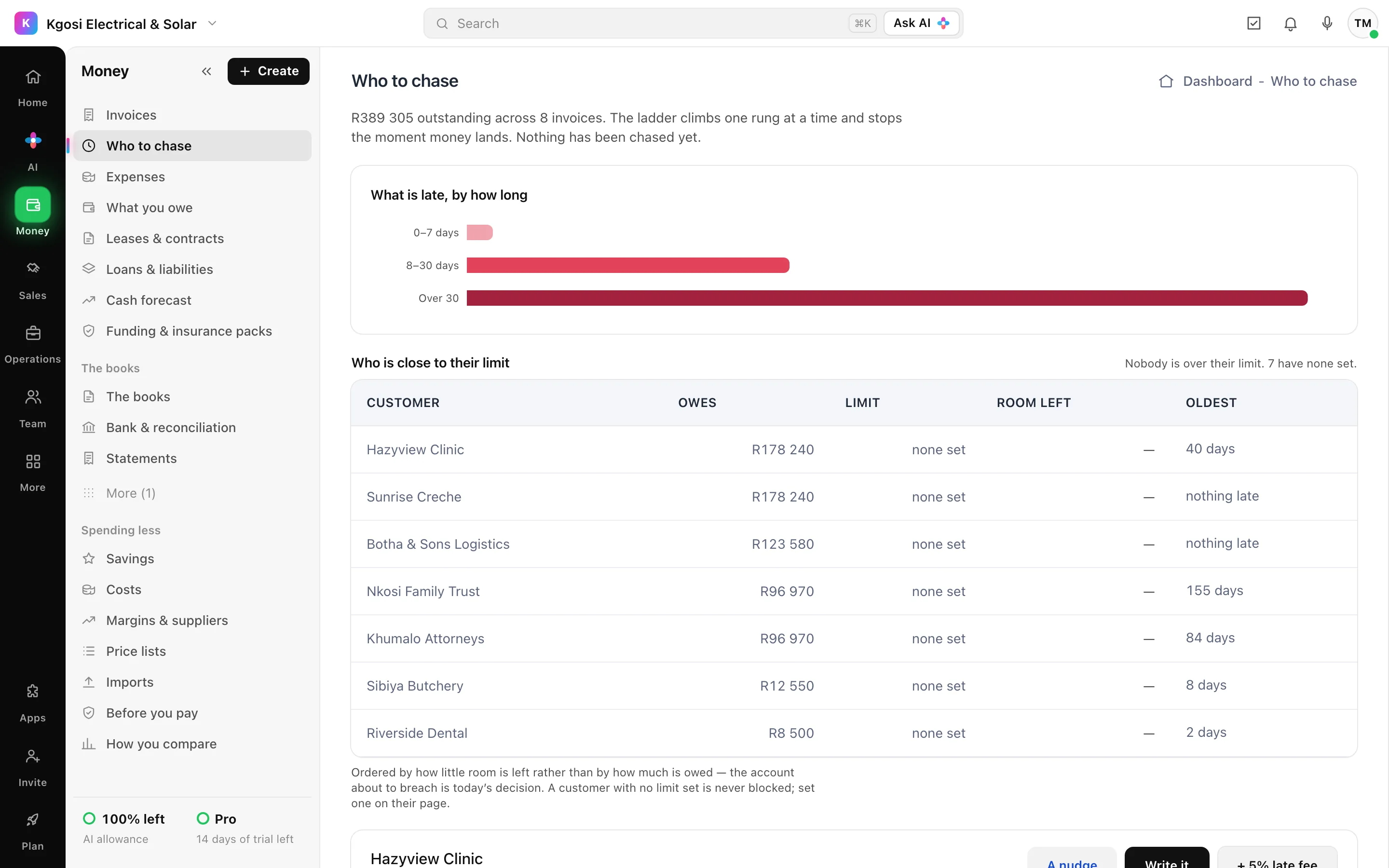
Who to chase: money owed by age, and the customers closest to their limit
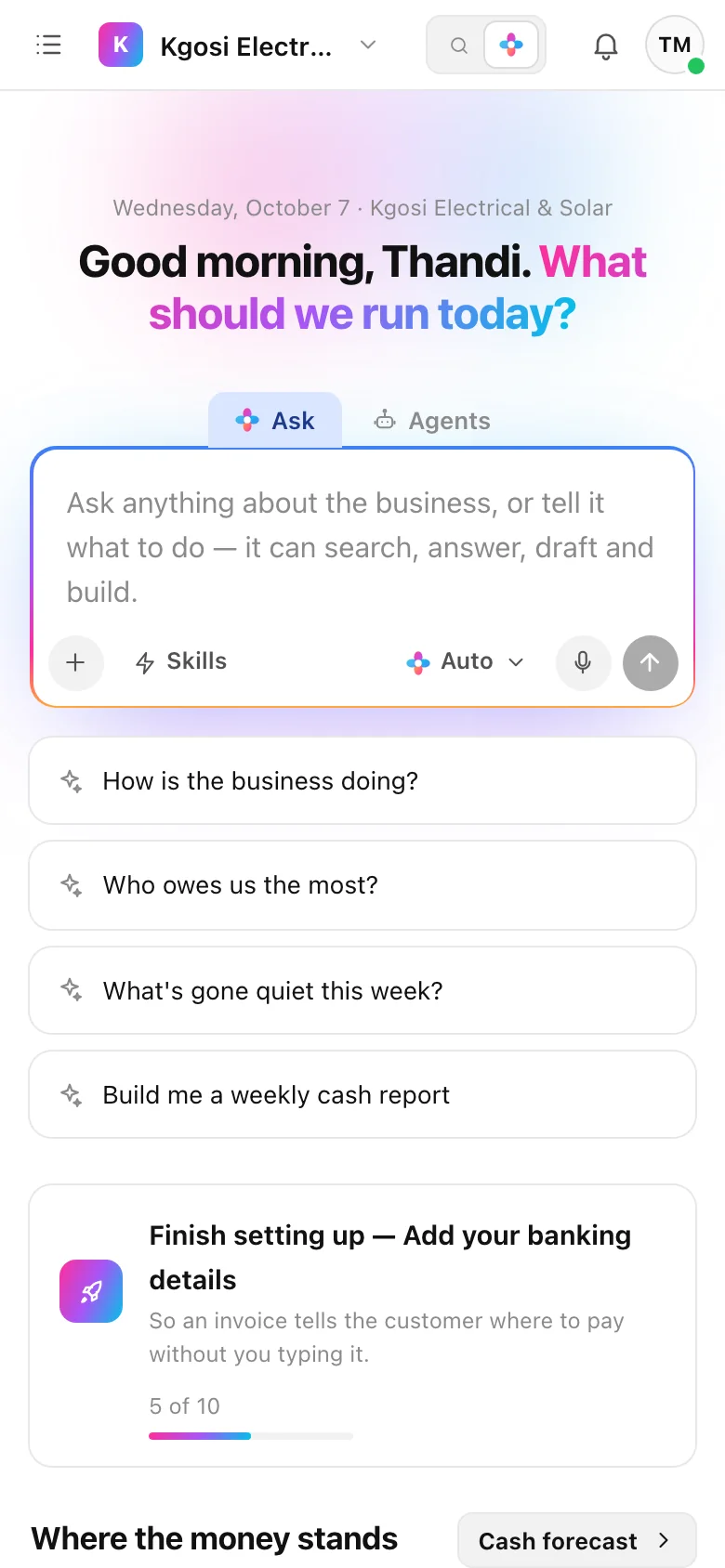
The same, on a phone

What is owed, what is late, and who to call first — the moment you open it.

The problems it solves

What goes wrong, and what it does about it

For second-hand dealers, pawnshops and scrap yards.

The problem

Buying something that turns out to be stolen.

What it does

A serial on your stolen list stops the purchase and the offer is kept, to be reported. A serial seen here before or filed off waits for the reason it is right; an identity number that does not check out, a missing serial and a seller who has brought in a lot lately are said.

What you get

The counter asks the right questions every time, whoever is on it.

The problem

The police ask for the register and it is a stack of books.

What it does

Every item bought in carries the seller's name and identity number (sealed), how it was checked, the serial or a mark, the price, and who bought it in — the register the police inspect, with photographs of the item and the identity document.

What you get

An inspection is a page, not an afternoon.

The problem

Something is sold before its holding period is over.

What it does

Nothing is sold, handed over or altered before the holding period ends — the law's once a professional has signed it off, or longer if you set your own. Only the police take it sooner.

What you get

The holding period is kept without anybody remembering it.

The problem

Pawn loans on handwritten tickets.

What it does

An item left in pawn goes through the same checks and into the same register, and stands as security for a loan on the terms you write — interest, fee, term and grace kept with the loan as they were. It is redeemed, renewed or forfeited once the grace is over, and never sold while it is in pawn.

What you get

Every loan on its own terms, and no pawned item sold by mistake.

Said plainly

What it does not do yet

  • A stolen list shared between dealers: who may see whose reports is a decision still to be made.
  • Reporting to the police electronically.
And everything else

Nothing is switched off

The trade decides what the workspace opens on. It never removes anything — the invoices, the books, the team and the assistant come with every one of them.

Type what you need

Ask in plain language and it drafts the quote, the invoice or the customer record — then shows you the draft before anything moves.

An AI that stops for you

Three autonomy settings, and none of them lets money move or a customer be contacted without a person. Enforced in code, not in a prompt.

Quote to cash

Build from your catalogue, send a branded PDF, and the status moves itself from sent to seen to paid.

Chasing that escalates

A ladder of reminders, each rung recorded, that stops the moment money lands — and never opens with a lawyer's letter.

Real books underneath

Double-entry, bank feeds, reconciliation and a VAT return generated rather than reconstructed under deadline pressure.

Stock that tells you first

Reorder points from real demand, batch expiry before the date, and bins with a walking order so picking never depends on memory.

Proof before the argument

Geotagged, timestamped, signed evidence captured as the work happens — not asked for after a customer disputes it.

The people, not just the pipeline

Rosters, geofenced sign-on, payroll, and the daily-wage workers a payroll system has no row for.

Where you sit, not just what you made

Margin, days to get paid and win rate against your own trade — anonymously, opt-in, never below five businesses.

Pricing

14 days free, then one bill

No card to start. Per seat, because a team of ten should not run the agent on one person's subscription.

Solo

$29

a month, including 3 seats

One person, or one person and a hand or two.

  • Quotes, invoices, and the customer portal
  • The full ledger — VAT, bank feeds, cash forecast
  • The AI assistant, with a monthly allowance
  • 3 seats included, then $14 each
Start free trial
Most chosen

Pro

$19

per seat, per month

A team that runs the business in here every day.

  • Everything in Solo
  • No base charge — pay for exactly the seats you use
  • Named agents on a schedule, and the overnight sweeps
  • Field seats at $7 for drivers and technicians
Start free trial

Business

$34

per seat, per month

Several locations, or a team that leans on the agent hard.

  • Everything in Pro
  • Branches, consolidated reporting, multi-currency
  • More than three times the agent allowance per seat
  • Priority support
Start free trial

Enterprise

Custom

volume seats from $28 each

Volume seats, your own security review, a contract.

  • Everything in Business
  • Volume seat pricing from $28
  • Single sign-on and directory sync
  • Annual terms, purchase orders, invoicing
Talk to us

Full detail, including field seats and what the agent costs, on the pricing page.

Set up for second-hand dealers and pawnshops in minutes

Choose Shop or retail at sign-up, and the workspace opens on the work above.