Fair to your people

Know how the work is going without watching anybody

Software that tracks staff is easy to build and quickly resented: a location trail nobody was told about, a league table of who did least, a manager's view with more in it than the worker can see. This is built the other way round. It measures the work, from records the business already keeps to run itself, and holds itself to rules a worker can read.

What it watches for
  • People find out what is recorded about them, and stop trusting the system.
  • A manager can see more about a person than the person can.
  • A trail of where everybody's phone has been sits on a server for years.
  • A sign-on that could not be placed on site gets somebody called a ghost worker.
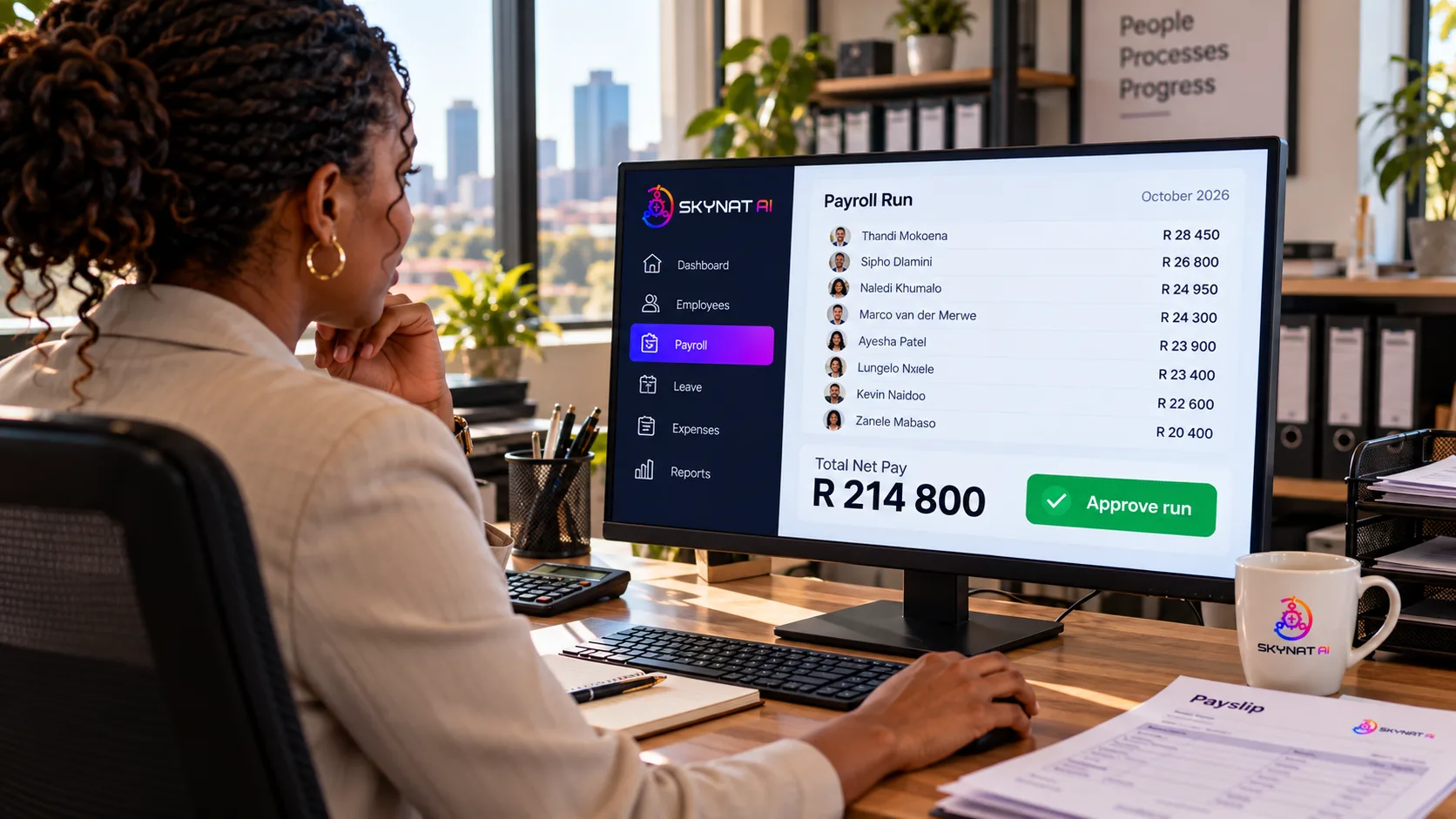
A manager approves the month's payroll run at her desk

The pay run, approved by a person, worked out from the hours on record.

The problems it answers

What goes wrong, and what it does about it

For any business with staff, contractors or volunteers — and especially one that sends people out on the road.

The problem

People find out what is recorded about them, and stop trusting the system.

What it does

A policy drafted from what this workspace actually collects — looked up, not assumed — in plain words, which everybody is asked to say they have read. A change makes a new version and asks again. Saying 'I have read this' is notice, not consent: agreeing to a trip's route being recorded is a separate choice.

What you get

Monitoring people were told about, in words they can hold you to.

The problem

A manager can see more about a person than the person can.

What it does

A person's record is one view, built by one function, shown to them and to whoever may open it. Opening somebody's record asks for a work reason first, and they read the line on their own record: who looked, when, and why.

What you get

Nobody holds a fuller file on anybody than that person can read about themselves.

The problem

A trail of where everybody's phone has been sits on a server for years.

What it does

Where somebody's phone was is kept for as many days as the business chose — thirty unless it chose otherwise. Then the coordinate is deleted and only the result stays: on site, or why it could not be confirmed. A trip keeps its distance and loses its route.

What you get

The business keeps what it needs to pay people correctly, and nothing it would have to explain.

The problem

A sign-on that could not be placed on site gets somebody called a ghost worker.

What it does

A sign-on that could not be placed is shown with the distance and the reason, never called absent or dishonest, and the worker can add their side, which is shown wherever the flag is.

What you get

A question to ask, not an accusation to answer.

The problem

A league table of who did least makes everybody's work worse.

What it does

The team's work — sign-ons placed on site, hours, jobs done, jobs right the first time, customers happy at sign-off — is shown by team, never by person, and never for a group smaller than five. A smaller team is folded in with others, or left out of every figure it could be worked out from.

What you get

You see how the work is going without ranking anybody.

The problem

A worker says their record is wrong, and nobody answers.

What it does

They say what is wrong and what it should say. Whoever answers for their record has thirty days to reply in words: corrected, and what was done; or not corrected, and why — and then the worker's own statement stays beside the record for anybody who reads it.

What you get

A question about a record ends in an answer, in writing, within thirty days.

The problem

A report about the person in charge has nowhere safe to go.

What it does

Reports that must not go up the normal line — misconduct by a leader, harassment, money going missing, a concern about a child — go only to the people named to receive them, never to anybody a report names, and the channel opens only once at least two are named. Nobody has to say who they are.

What you get

Misconduct at the top still reaches somebody who can act on it.

The problem

Thanks are said in passing, and forgotten by Friday.

What it does

One person thanks another, by name, where the team can see it, newest first — with no counts and no most-thanked list. The person thanked can take one off the wall, and it stays on their own record.

What you get

Recognition that cannot turn into a contest.

Said plainly

What it does not do

  • It does not score or rank anybody, and has no screen that would.
  • It does not record keystrokes, screens, personal messages, or where anybody is outside working hours.
  • The policy it drafts is a starting point for the business to adopt. Its wording should be read by a lawyer where the business operates.

See it against your own numbers

Your workspace is ready in minutes. Nothing to install.