Stopping scams

The scams aimed at a small business, stopped where they work

Most fraud against a small business is not clever. It is an invoice with the bank account changed, a call from somebody who sounds like the owner, a proof of payment made in an editor, a supplier who has suddenly changed banks. Each one works at a single moment — when somebody pays, releases goods or answers a message — and that moment is where each check sits.

What it watches for
  • Somebody sends your customer a copy of your invoice with their own bank account on it.
  • A message arrives in your name, from a number or an address that is not yours.
  • Somebody registers an address one letter off yours, ready to send mail as you.
  • A voice that sounds exactly like the owner calls and says to pay a new supplier today.
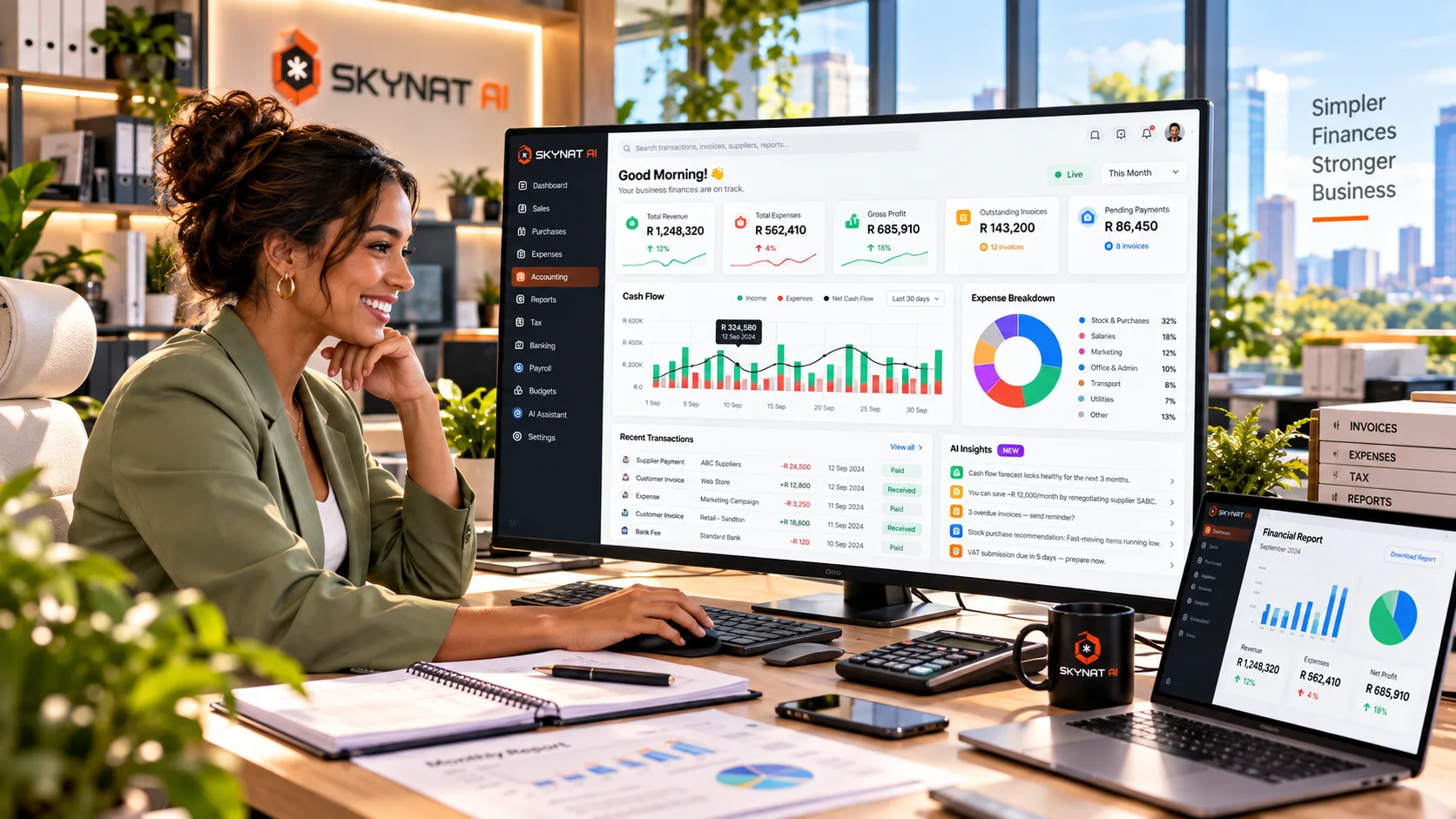
An owner checks the month's figures at her desk

Every payment checked against what the business already knows, before the money goes.

The problems it answers

What goes wrong, and what it does about it

For every business that sends invoices, pays suppliers, or has people who answer the phone.

The problem

Somebody sends your customer a copy of your invoice with their own bank account on it.

What it does

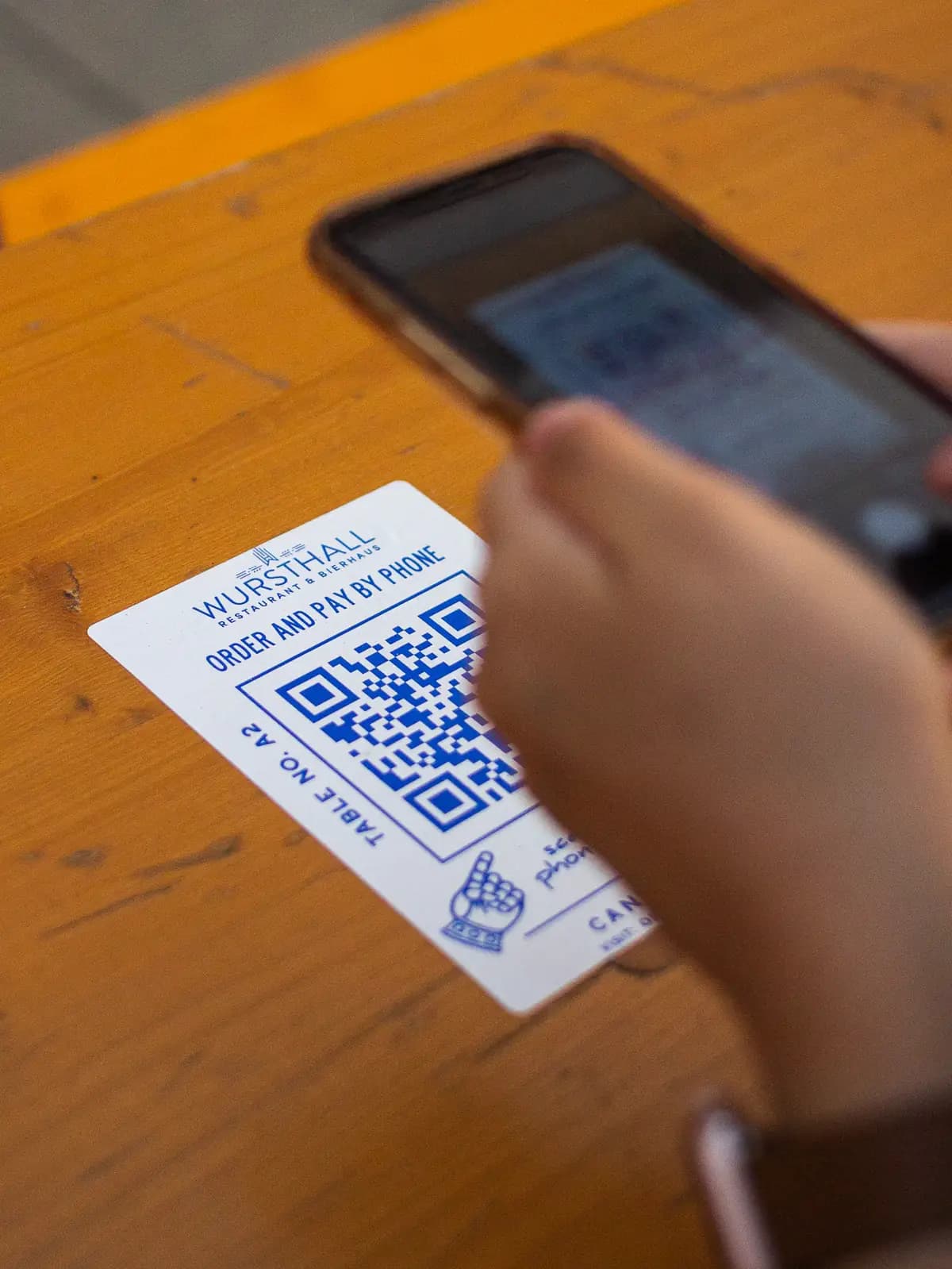
Every quote and invoice carries a code and a short address. Whoever holds it opens the document as it was issued — your official details, the amount, the number and where it stands — and is told on the document itself to check before paying. A customer comparing the account they were given sees only the last four digits of yours, and when theirs does not match, you are told at once.

What you get

The swapped-account invoice fails in front of the customer, before the money moves, and you hear about it the same day.


The problem

A message arrives in your name, from a number or an address that is not yours.

What it does

A page of your own lists your official numbers, addresses and accounts, and every check page links to it. Somebody sent a message in your name types what they were given; if it is not yours they are told so, and so are you.

What you get

Your customers can check that it is really you before they answer, without having to know who to ask.

The problem

Somebody registers an address one letter off yours, ready to send mail as you.

What it does

Once a week, for a domain shown to be yours, it looks for the near copies of it that exist and for new certificates in the public logs for names containing it. Each is told to you once, as what it is — never as proof that anybody is using it.

Needs: A domain of your own, shown to be yours.

What you get

You hear about the look-alike before your customers get mail from it.

The problem

A voice that sounds exactly like the owner calls and says to pay a new supplier today.

What it does

Whoever is told — on a call, in a voice note, by message — to pay, change bank details or send records out logs it here, and does nothing until the person it was supposedly from answers on their own account, with their second factor asked for again. Whoever logged it cannot confirm it. A refusal is kept as an attempt and told to whoever logged it.

What you get

A copied voice can call; it cannot sign in as the person it imitates, so it cannot get the payment made.

The problem

A supplier writes to say their banking details have changed.

What it does

Where each supplier gets paid is kept on their record, with every change, who made it and what it was before. Every bill is read before it is paid: did this supplier change banks lately, is there another supplier with almost the same name, have we had this invoice number before, is it sitting just under the approval limit — each asked as a question, with the fact that prompted it.

What you get

The one question worth asking is asked on every bill, every time, without anybody having to remember to.

The problem

A customer sends a proof of payment to get the goods released, and the money never arrives.

What it does

The proof is shown beside whether money like it has arrived in the bank lines you bring in — a cheque deposit counted as money that can still bounce — and with the signs a PDF's making leaves: made in an editor, changed after it was made, or sent before.

Needs: Your bank lines brought in, by feed or by statement, for the half that looks at the bank.

What you get

Goods go out against money that arrived, not against a picture of it.

The problem

A customer pays too much, then asks for the difference back before their payment bounces.

What it does

A refund on an invoice paid over its amount, from money not yet seen cleared in the bank, is held until somebody who runs the business says the money has cleared. Every other refund goes through as it did.

What you get

The overpayment scam stops at the refund, which is the only step in it that costs you anything.

The problem

A large first order arrives from a government department with a free email address.

What it does

A buyer calling itself a public body from a free mail address, or a first order far above what your customers usually pay, is flagged on the quote, with what to do about it: confirm the order with the buyer on a number you find yourself.

What you get

The fake purchase order is said before anything is shipped on credit.

The problem

A password is stolen, or somebody leaving takes the customer list with them.

What it does

Sign in with the phone's or the laptop's own fingerprint, face or screen lock, and a second factor wherever a role can move money. A sign-in from a new country, an export at an hour nobody works and a day of unusually many records opened are each said — to the person, and to whoever runs the workspace.

What you get

There is no password to steal, and the signs of a stolen login show themselves early.

The problem

Fakes of your product are sold under your name.

What it does

Each item can carry a unique code under a scratch panel, which the buyer checks for an answer on the spot. Every check is kept, including those on codes that are not yours, and failed checks are grouped by area — to about eleven kilometres, never closer.

What you get

Buyers can tell the real thing, and you can see roughly where the fakes are without accusing any one shop.

The problem

A prescription is photocopied, altered or taken to a second pharmacy.

What it does

Each prescription prints with a code a pharmacy scans: it opens what was actually issued, by whom under which registration, and every time it has been dispensed. The pharmacy records its own dispensing there, so a used script shows as used.

What you get

A prescriber's name on a script means what they wrote, once.

Said plainly

What it does not do

  • It does not decide that anything is a scam. Each check says what it found and asks; the person paying or releasing goods decides.
  • It cannot stop a customer paying an account somebody else gave them. It can show them, at the moment they check, that the account is not yours.
  • Confirming that a bank account belongs to the name on it, through a bank's own service, is not connected yet.
  • Warning one business about an account or a number another business has seen used in a scam is not built. It needs the businesses' consent first.

See it against your own numbers

Your workspace is ready in minutes. Nothing to install.